

Linguagem
Linguagem
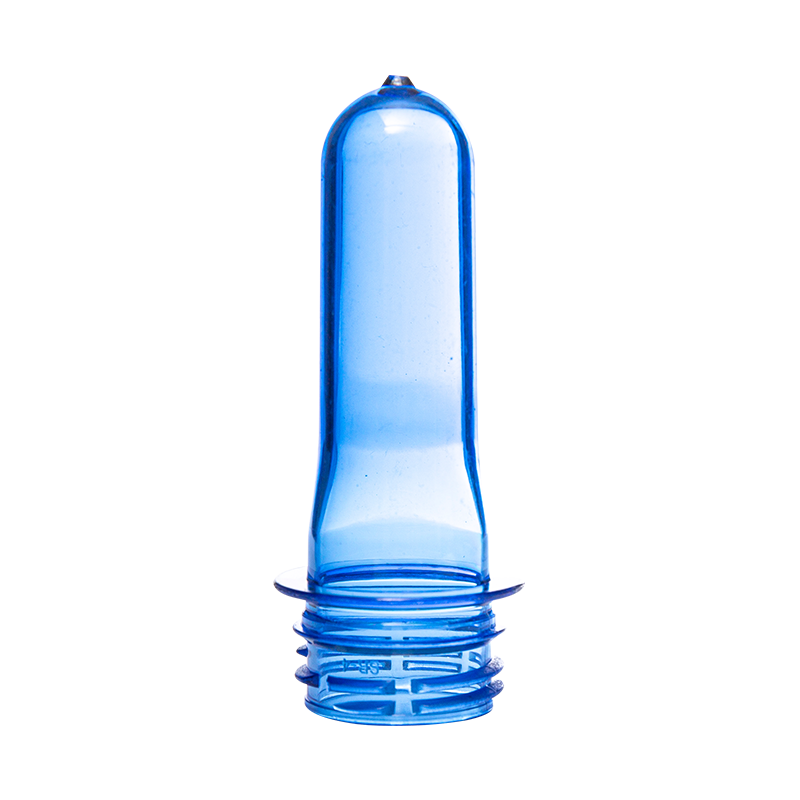
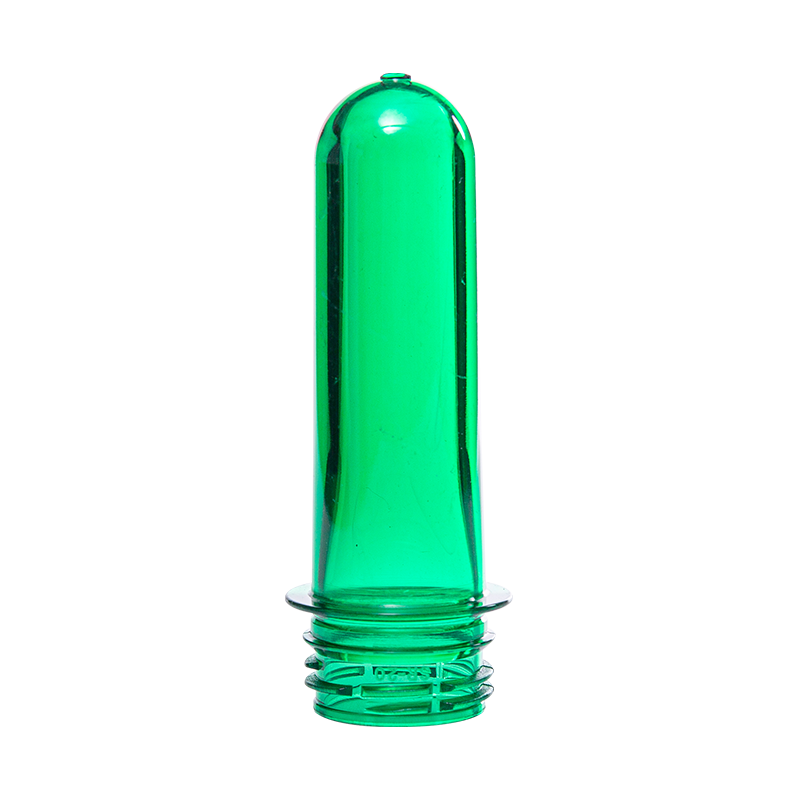
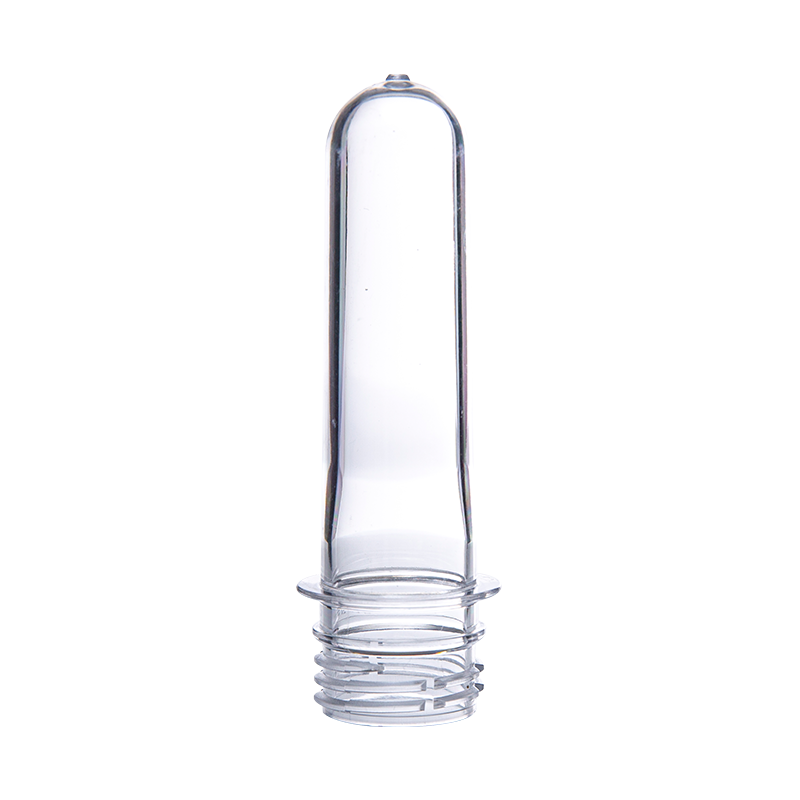
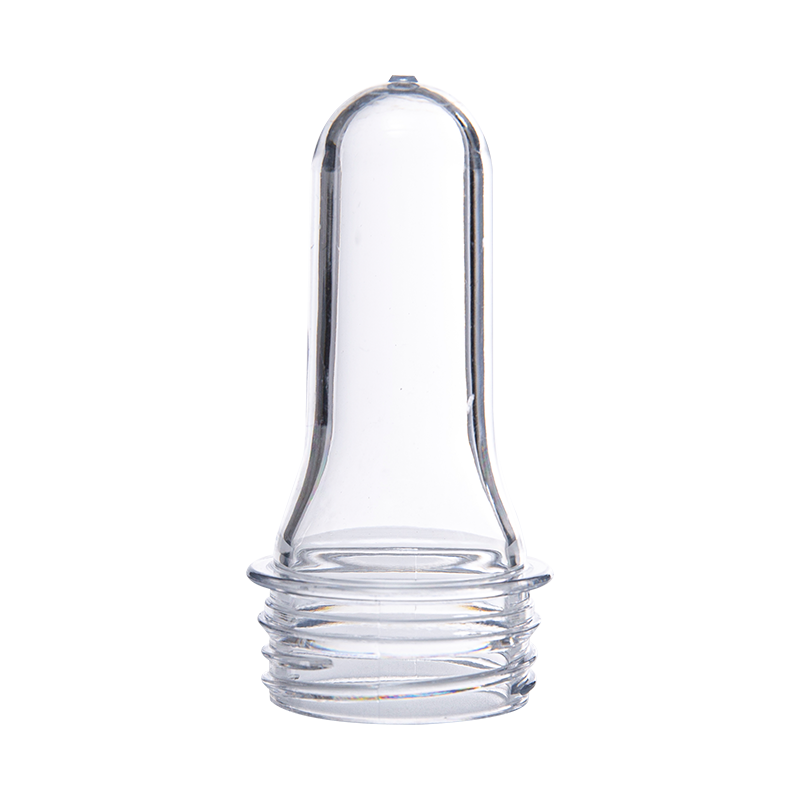
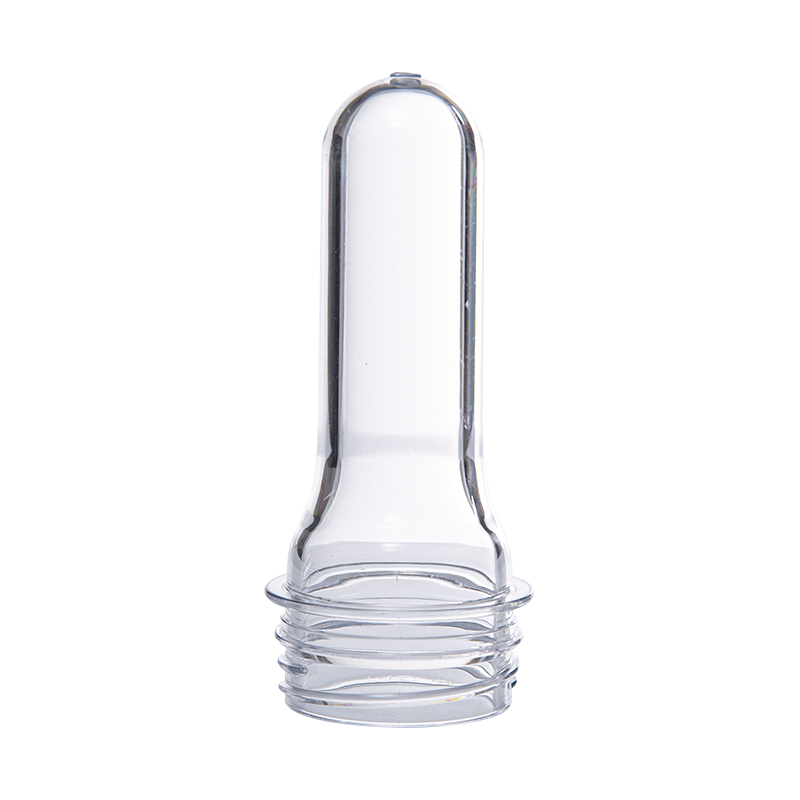
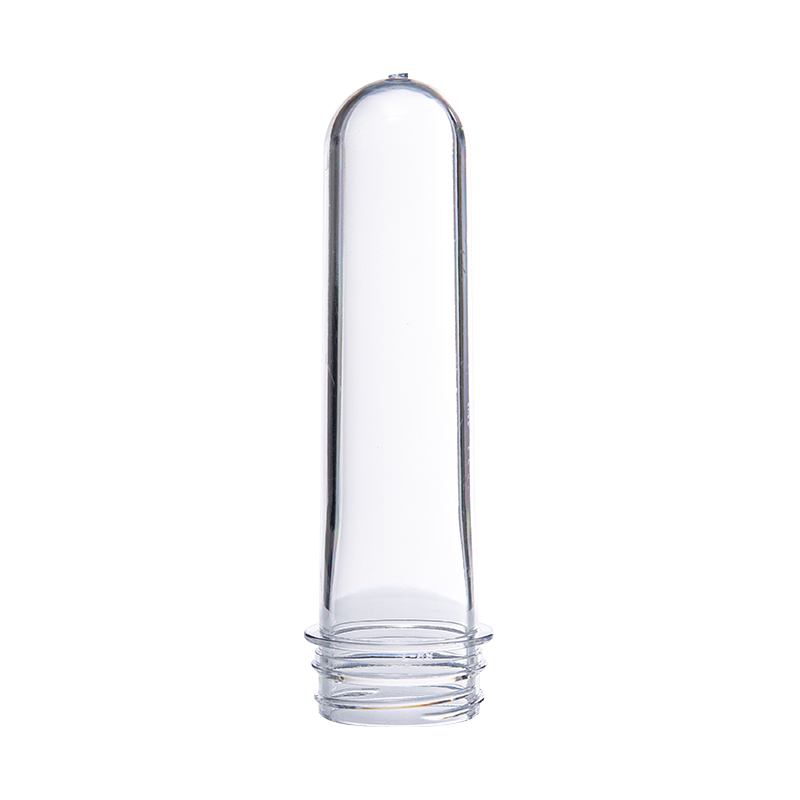
Projeto de pré-formas PET para bebidas carbonatadas exige uma abordagem fundamentalmente diferente das aplicações de embalagens padrão. A pressão interna das bebidas carbonatadas – normalmente variando de 3,7 a 6,2 bar (54–90 psi) a 20°C – submete cada pré-forma a tensões mecânicas que um projeto mal projetado simplesmente não consegue suportar. Acertar no projeto significa equilibrar a espessura da parede, a geometria da porta, a seleção da resina e as taxas de estiramento, tudo calibrado especificamente para o desempenho do CSD (refrigerante carbonatado).
Este artigo aborda as principais decisões de engenharia e materiais que determinam se uma pré-forma PET conterá bebidas carbonatadas de maneira confiável, sem deformação, perda de CO₂ ou falha estrutural.
Garrafas de água sem gás e recipientes de suco experimentam uma pressão interna relativamente estável. As bebidas carbonatadas não. O CO₂ dissolvido na bebida procura escapar continuamente, criando uma pressão externa persistente nas paredes da garrafa – e, por extensão, na estrutura molecular do próprio PET.
Os principais modos de falha específicos para embalagens de CSD incluem:
Cada um desses modos de falha possui uma contramedida direta de projeto, abordada nas seções abaixo.
Nem todas as resinas PET são adequadas para aplicações de CSD. Os dois parâmetros mais críticos são a viscosidade intrínseca (IV) e o teor de acetaldeído (AA).
IV é uma medida do comprimento da cadeia molecular. Para pré-formas de bebidas carbonatadas, a IV na faixa de 0,78–0,84 dl/g é a especificação padrão da indústria. Resinas com IV mais alto fornecem melhor resistência mecânica e à pressão, mas exigem temperaturas de processamento mais altas e tempos de ciclo mais longos. As resinas com IV inferior processam mais facilmente, mas podem produzir garrafas que se arrastam sob pressão sustentada de carbonatação.
| Aplicação | Faixa IV (dl/g) | Uso típico |
|---|---|---|
| Água parada | 0,72–0,76 | Garrafas leves e de baixa pressão |
| Refrigerantes carbonatados | 0,78–0,84 | Garrafas de refrigerante padrão (0,5–2L) |
| CSD de enchimento a quente | 0,80–0,86 | Sucos com carbonatação |
| Cerveja / alto teor de CO₂ | 0,84–0,88 | Garrafas de alta pressão com barreira aprimorada |
AA é um subproduto da degradação do PET durante o processamento. Embora afete principalmente o sabor em garrafas de água, As pré-formas de refrigerantes gaseificados devem atingir níveis de AA abaixo de 1 ppm para evitar sabores estranhos em bebidas de cola e limão, que são particularmente sensíveis à contaminação por aldeídos. Os eliminadores de AA (adicionados ao composto de resina) são comumente usados por grandes marcas, incluindo Coca-Cola e PepsiCo.
A espessura da parede em uma pré-forma de CSD deve ser intencionalmente não uniforme. O objetivo é projetar a distribuição correta de materiais depois moldagem por sopro, não apenas na fase de pré-forma.
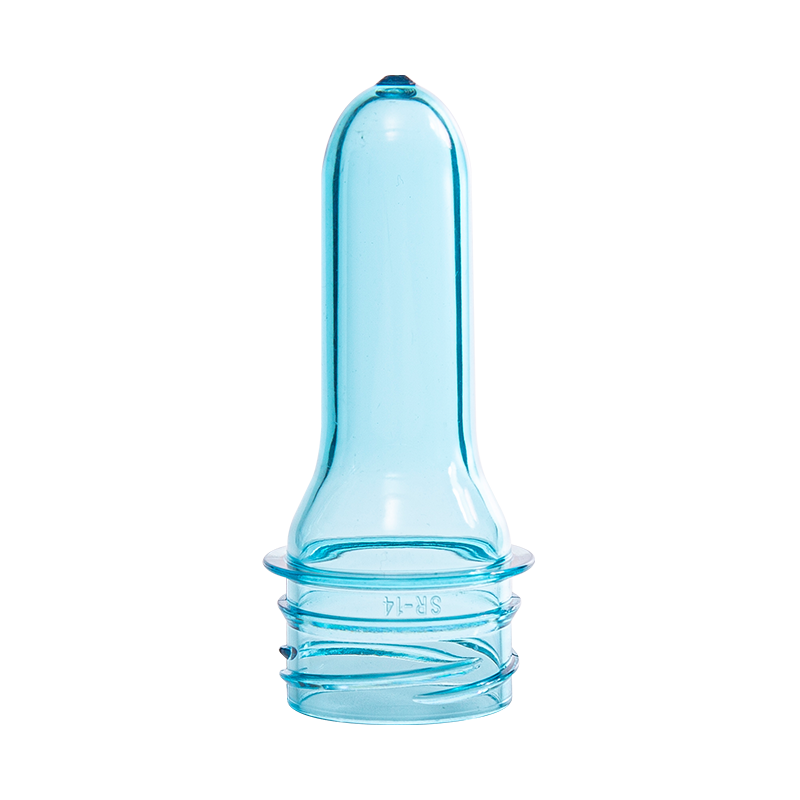
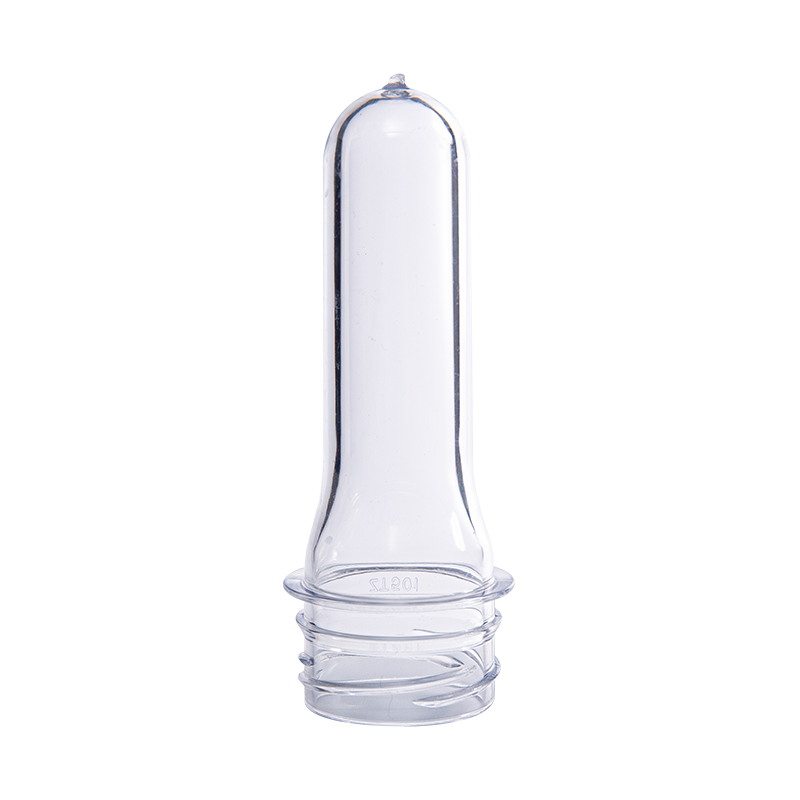
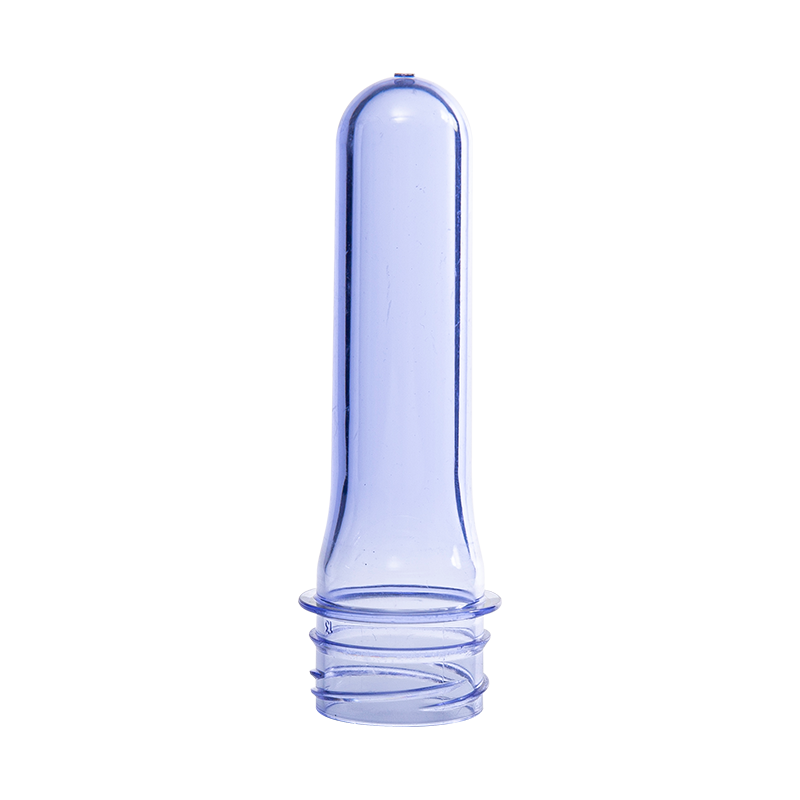
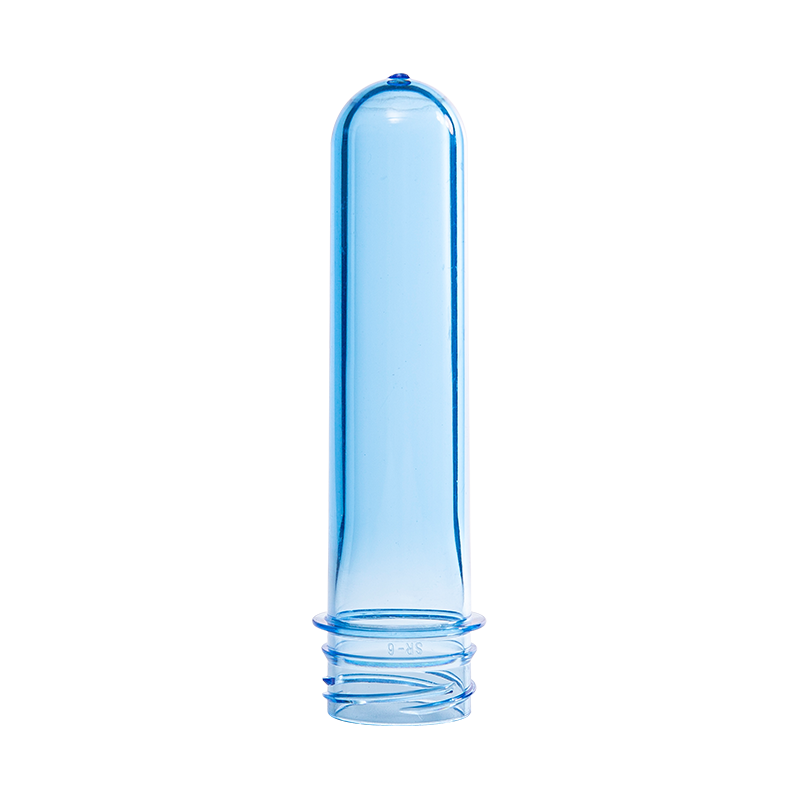
A zona mais crítica é a base. Nas garrafas de refrigerante, a base deve resistir ao abaulamento externo causado pela pressão interna. Uma base petaloide – o padrão de design multilobulado em embalagens de refrigerantes – requer material mais espesso nos vales dos pés do que nas paredes laterais. A espessura da parede da base da pré-forma para uma garrafa típica de refrigerante de 500ml normalmente funciona 3,5–4,5 mm , em comparação com a espessura da parede lateral de 3,0–3,8 mm.
A área da porta (ponto de injeção na parte inferior da pré-forma) é outra zona propensa a falhas. Uma comporta mal projetada pode deixar material PET cristalizado e quebradiço que racha sob pressão. O diâmetro da porta para pré-formas de CSD é normalmente mantido entre 1,8 mm e 2,5 mm , com uma redução gradual para evitar concentrações de tensão.
Durante a moldagem por sopro, a pré-forma é esticada tanto axialmente (longitudinalmente) quanto radialmente (direção do arco). Para o desempenho do CSD, as taxas de estiramento devem ser rigorosamente controladas:
Estiramento insuficiente resulta em paredes espessas e não orientadas com maior permeabilidade ao CO₂. O estiramento excessivo causa adelgaçamento, branqueamento por estresse e potencial ruptura da parede sob pressão.
O gargalo é a única área da garrafa que não é esticada durante a moldagem por sopro. Suas dimensões devem ser precisamente adaptadas ao sistema de fechamento, pois a retenção de carbonatação depende diretamente da integridade da vedação entre a tampa e o gargalo.
Os dois padrões dominantes de acabamento de gargalo para garrafas de refrigerante são:
O perfil da rosca de acabamento do pescoço deve manter passo e dimensões de avanço consistentes para garantir que o torque de fechamento seja suficiente para manter a carbonatação. A especificação de torque de abertura para tampas PCO 1881 em garrafas de refrigerante é normalmente de 1,6 a 2,5 N·m (14–22 in-lbs) , com torque de vedação aplicado durante o tamponamento na faixa de 18–24 in-lbs.
O PET padrão não é impermeável ao CO₂. A perda de carbonatação através da parede da garrafa é uma limitação inerente às embalagens PET, e o design da pré-forma influencia diretamente a forma como a carbonatação é retida ao longo da vida útil.
Metas típicas de prazo de validade para refrigerantes em PET:
| Tamanho da garrafa | Prazo de validade alvo | Perda máxima permitida de CO₂ |
|---|---|---|
| 200–350ml | 12 semanas | 15–20% do volume inicial |
| 500 mL | 16–20 semanas | 15% do volume inicial |
| 1,5–2 litros | 20–26 semanas | 15% do volume inicial |
A espessura da parede é a principal alavanca disponível no design de pré-formas. Paredes laterais mais espessas reduzem a permeação de CO₂, mas acrescentam peso e custo. A compensação de engenharia geralmente é resolvida otimizando as taxas de estiramento para maximizar a orientação biaxial – o PET orientado tem permeabilidade ao CO₂ significativamente menor do que o PET não orientado, o que significa que uma parede mais fina e bem orientada pode superar uma parede mais espessa e mal orientada.
Para aplicações premium (cerveja artesanal, água com gás em formatos retornáveis), tecnologias de barreira ativa, como co-injeção multicamadas (náilon MXD6 ou camada interna EVOH) ou revestimento de plasma (deposição de SiOx) pode reduzir a permeabilidade ao CO₂ por um fator de 3–5× em comparação ao PET monocamada.
A indústria de refrigerantes gaseificados impulsionou uma redução substancial do peso no design de pré-formas PET nos últimos 20 anos. Uma garrafa de refrigerante de 500 mL que pesava de 28 a 30 gramas no início dos anos 2000 agora normalmente pesa 18–22gramas sem comprometer o desempenho da pressão.
A leveza é alcançada através de uma combinação de:
Existe, no entanto, um limite inferior prático. Abaixo de aproximadamente 16–17 gramas para uma garrafa de refrigerante de 500 mL, o risco de falha na base e problemas de retenção de carbonatação aumenta significativamente com PET monocamada padrão. Abaixo deste limite, tecnologias de barreira ativa ou modificações estruturais nas nervuras tornam-se necessárias para manter o desempenho do CSD.
A tabela a seguir resume as variáveis críticas de projeto para uma pré-forma de refrigerante padrão de 500 mL como ponto de referência prático:
| Parâmetro | Valor/intervalo típico | Notas |
|---|---|---|
| Resina IV | 0,78–0,84 dl/g | Maior IV para parede resistente à pressão |
| Peso da pré-forma | 18–22 g | Padrão leve; varia de acordo com a marca |
| Espessura da parede lateral | 3,0–3,8 mm | Após moldagem por sopro: ~0,25–0,35 mm |
| Espessura da base | 3,5–4,5 mm | Área do vale do pé petaloide |
| Diâmetro do portão | 1,8–2,5 mm | Afunilamento gradual para evitar rachaduras por estresse |
| Taxa de estiramento axial | 2,5:1–3,5:1 | Controlado por haste elástica durante o golpe |
| Proporção de estiramento do aro | 3,5:1–4,5:1 | Determinado pelo diâmetro do molde vs. DE da pré-forma |
| Padrão de acabamento do pescoço | CPO 1881 (28 mm) | Padrão global de CSD desde ~2012 |
| Nível de acetaldeído | <1 ppm | Eliminadores de AA usados pelas principais marcas de refrigerantes |
Muitas falhas de pré-formas de CSD são atribuídas a um pequeno conjunto de erros recorrentes de projeto:
Antes de um projeto de pré-forma entrar em produção para aplicações CSD, ele deve passar por um conjunto definido de testes de desempenho. Os protocolos de validação padrão da indústria incluem:
Os principais produtores de refrigerantes normalmente exigem validação laboratorial de terceiros alinhada com os padrões de teste ASTM ou ISO antes de aprovar um novo projeto de pré-forma para uso comercial.
Projetar uma pré-forma PET para bebidas carbonatadas é um exercício preciso com margem limitada de aproximação. A diferença entre uma pré-forma que funciona e outra que falha geralmente se resume a uma fração de grama de material na base ou a um pequeno desvio na geometria da comporta.
As prioridades práticas, classificadas por impacto no desempenho do CSD:
Seguir esses princípios - apoiados por testes validados - é o que separa uma pré-forma confiável de refrigerante gasoso daquela que cria falhas dispendiosas em campo ou reclamações de clientes sobre bebidas sem gás.
Copyright © Foshan Honsen Plastic Industry Co., Ltd. All Rights Reserved.